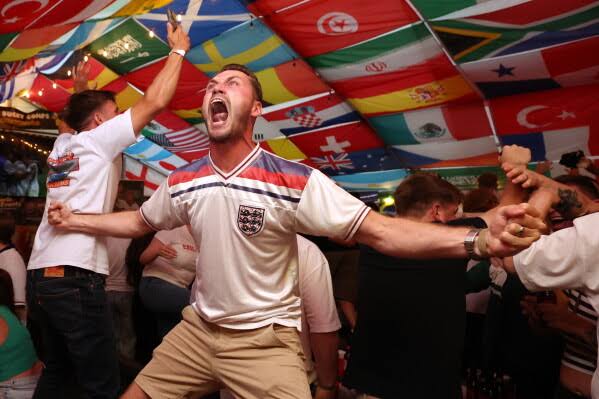
Post-World Cup football can feel strangely quiet after weeks of daily drama, national pride and knockout tension. The 2026 tournament ran from June 11 to July 19 and delivered 104 matches, so many supporters are now wondering what they should watch next.
The good news is that the football calendar is already moving again. From transfers and pre-season matches to domestic leagues and Champions League qualifiers, the Post-World Cup effect is less an ending than a shift from national teams back to club football. For additional football updates and sports resources, visit 4six Agent.
1. Post-World Cup Transfer Drama Takes Over
The first major attraction is the transfer market. A World Cup can transform a player’s reputation in only a few matches, creating new interest from clubs, agents and supporters.
Fans are following which breakout performers earn major moves, which established stars return to their clubs and how managers rebuild squads after an exhausting tournament. Transfer coverage also gives new supporters an easy way to learn about clubs and leagues before the season begins.
2. Club Pre-Season Offers the First Answers
Post-World Cup pre-season matches may be friendlies, but they reveal plenty. Coaches test formations, new signings make their first appearances and young players receive valuable opportunities.
The biggest question is how quickly returning internationals can recover. Some stars will receive extended rest, while others may rejoin shortly before competitive matches begin. That makes fitness, squad depth and rotation major talking points throughout late July and August.
3. Post-World Cup Fans Return to Domestic Leagues
The strongest long-term destination for new fans is domestic club football. England’s 2026/27 Premier League season begins on August 21, giving supporters only a short break before one of the world’s most followed competitions returns. The official Premier League season-date guide confirms the schedule.
Domestic leagues offer weekly storylines that international tournaments cannot provide. Fans can follow title races, relegation battles, derby matches and developing players across an entire season.
The Post-World Cup transition is especially important for first-time viewers. Choosing a club based on its history, community, playing style or underdog status can turn short-term tournament excitement into a lasting connection.
4. Champions League Qualifying Is Already Underway
There is no need to wait for the biggest leagues to start. UEFA Champions League qualifying began on July 7, with the second qualifying-round matches scheduled for July 21–22 and July 28–29.
These rounds feature ambitious clubs fighting for access to Europe’s leading club competition. They receive less global attention than the league phase, but often produce tense football, unfamiliar teams and high-stakes stories.
Supporters can check fixtures and competition dates through UEFA’s official 2026/27 Champions League guide.
5. Post-World Cup Tactical Debates Continue
The tournament may be finished, but its tactical influence will continue. Fans and analysts will watch whether successful national-team ideas appear in club football, including pressing systems, flexible defensive shapes and versatile attacking roles.
Clubs will also study how their players performed under different coaches. A footballer who excelled in a new position for his country may return with a stronger case for a changed club role.
6. Post-World Cup Viewing Should Go Beyond Elite Clubs
A valuable Post-World Cup habit is looking beyond the most heavily promoted men’s competitions. Women’s leagues, youth tournaments and local domestic competitions offer quality football and stories that are often easier to follow closely.
Supporting a local club also creates a stronger connection with the sport. Fans can attend matches, understand the community and experience football beyond social-media highlights.
How the Post-World Cup Effect Creates Lifelong Fans
The World Cup attracts viewers through scale, emotion and national identity. Club football keeps them through consistency. Weekly matches allow supporters to understand tactics, player development, rivalries and the consequences of a full season.
The best approach is not to watch everything. Choose one domestic league, one club and one continental competition, then build your knowledge gradually. This makes the Post-World Cup calendar exciting instead of overwhelming.
Conclusion
Post-World Cup football is not an empty period. It is the beginning of transfer debates, pre-season experiments, domestic campaigns and European qualification battles.
Fans who arrived for the World Cup can now discover the deeper rhythm of the sport. The international spectacle may be over, but the next football story has already started.
FAQs
What should fans watch after the World Cup?
Fans can follow transfer news, pre-season matches, Champions League qualifying, domestic leagues, women’s football and local competitions.
When does the Premier League return?
The 2026/27 Premier League opening match round begins on August 21, 2026.
Why does the Post-World Cup period feel quiet?
A World Cup creates a routine of major daily matches and shared discussion. When it ends, the normal football calendar can feel slower even though club competitions are already returning.